Accessible, child-friendly printables help teach counting, value, and budgeting with fake money for kids printable resources. This guide emphasizes clear typography, high contrast, and simple layouts so every learner can engage confidently. This approach also supports teachers who seek inclusive materials.
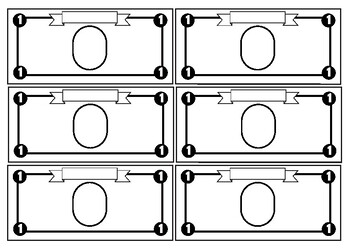
From a design perspective, the goal is legibility first. Use generous line spacing, ample margins, and sans serif fonts to aid readers with varying visual needs. Provide descriptive alt text for any image and pair visuals with short, concrete captions so instructions stay clear. When possible, present amounts with familiar currency symbols and avoid overly busy backgrounds that could distract from number sense. The result is a resource that supports independent exploration as well as guided activities. Organize content into concise blocks so readers can skim and then dive deeper as needed. Consider providing an audio summary or printable checklist for quick reference.
fake money for kids printable
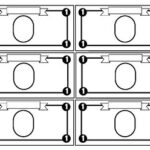
Printable resources can include a variety of activities while staying coherent. For example, a set of pretend bills, money icons, and companion task sheets encourage different learning styles without changing the core concept. You can guide early lessons on counting coins, adding prices, and simple budgeting through pretend purchases. Keeping the layout calm and orderly helps children who are sensitive to clutter stay focused on the math tasks. Include both numeral amounts and word forms to support diverse learners.
Accessibility considerations extend beyond font choice. Use high-contrast designs, clear headings, and generous spacing to support readers with dyslexia or low vision. Provide text descriptions for all visuals and offer options to print with larger sizes if needed. Encourage caregivers to pair the printables with hands-on activities, such as role-playing a store or practicing change, to deepen understanding and confidence. Additionally, avoid relying on color alone to convey meaning; pair color with shapes or labels so information remains accessible to color-blind or print-impaired learners. Offer guidance on how to scale text and adjust line height locally if printing at home.
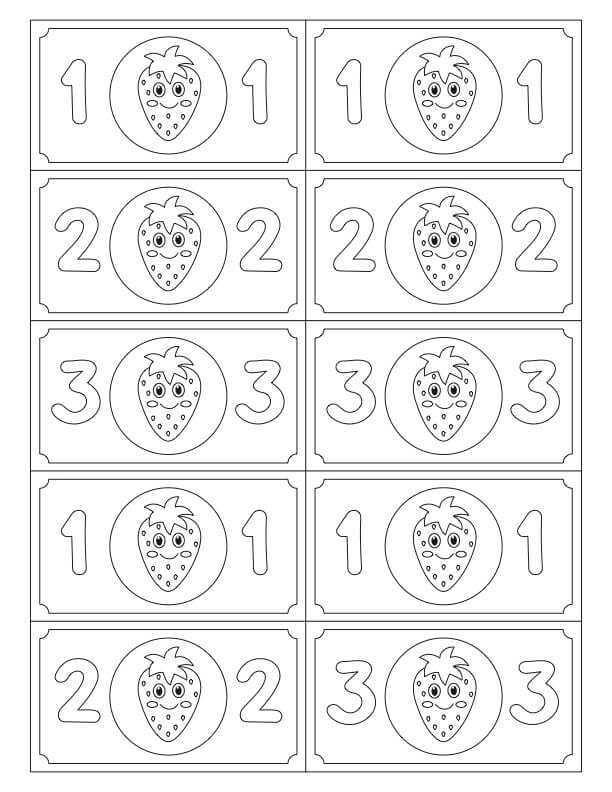
Design tips
Clear workflows in a printable setting help adults guide children without overwhelming them. Keep tasks logically sequenced, starting with matching denominations, then basic sums, then saving or budgeting exercises. Providing a short, visual checklist at the top of the page can help caregivers prompt progress and celebrate small wins. Tie tasks to measurable goals and offer feedback prompts to encourage steady growth.
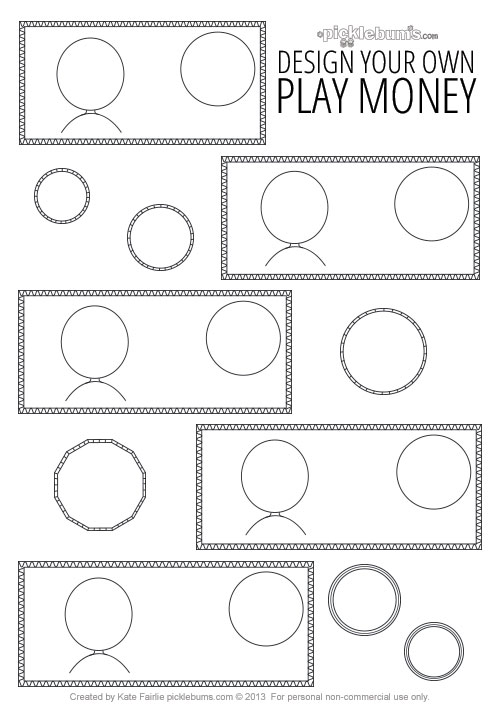
Design details matter even in simple printable tasks. Use consistent icons, clear spacing, and concise language to reduce cognitive load. Offer optional guidance notes for adults and a printable answer key that supports independent review when appropriate. Finally, invite families to adapt scenarios to real-life routines, such as chores or earning rewards, to reinforce relevance. Use a consistent visual language across pages so learners build recognition and confidence.
By centering accessibility and clarity, fake money for kids printable resources become inviting tools for early math, financial literacy, and social-emotional learning. When thoughtfully designed, these printables invite curiosity, conversation, and steady skill-building that families can enjoy together. The end result is a flexible, inclusive resource that grows with each learner. This makes learning feel doable for curious minds today.