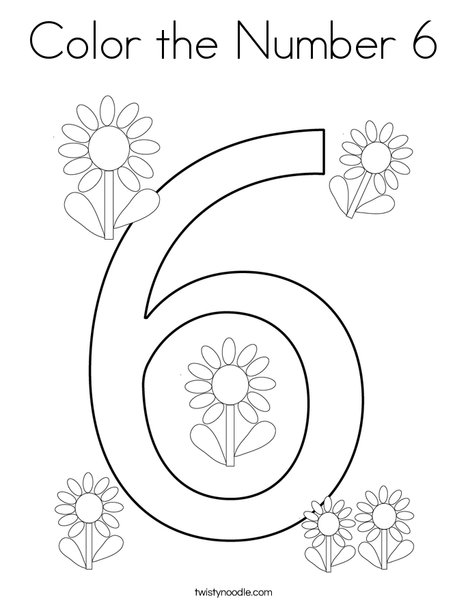
Coloring pages number 6 can be a gentle entry point for curious hands and developing map awareness. This brief primer highlights practical ways to use a single page to accompany simple geography exploration. Think of it as a quiet invitation to explore.
Using coloring pages number 6 as a starting point allows a child to focus on a single scene while discussing place names and relative locations. You can point to a basic outline and ask where a feature sits in relation to another. The goal is curiosity and gentle dialogue, so keep the conversation open and light. This approach helps a learner connect hands-on coloring with the idea that places exist in a larger world, without insisting on exact recall or neat labeling.
Coloring pages number 6 and geography
Choose a page that centers on a simple world outline or a familiar region, and invite labeling with clear, age-appropriate terms. Encourage coloring by regions or major features such as rivers and mountains, and suggest a tiny legend for color meanings. When possible, relate the page to a nearby globe or wall map in the room to reinforce the idea that places exist within a shared space. Keep the activity brisk, offering one or two prompts at a time so the focus stays on exploration rather than completing a perfect map.
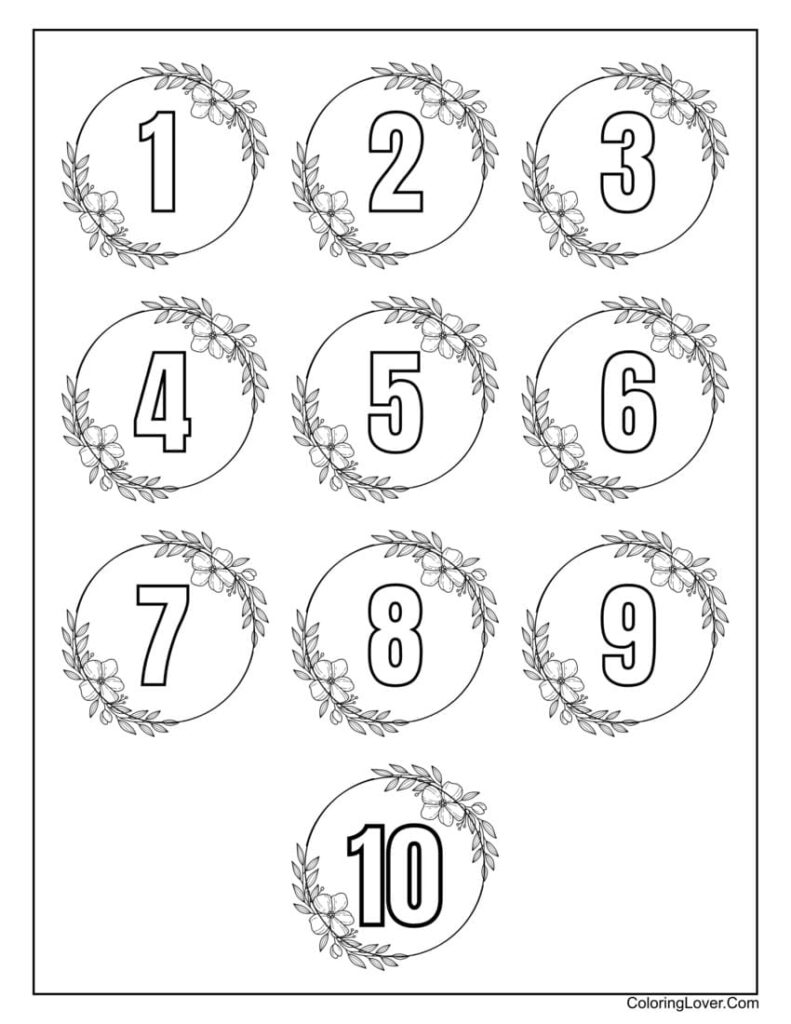
Before coloring, preview the page with a quick talk about what makes a place unique—borders, waterways, or landforms. For younger readers, limit color choices to a handful of hues and avoid overloading details; for older kids, invite simple comparisons such as which landmass is larger or which city lies farther from the equator, using the page as a reference. The emphasis should be on observation and conversation, not on memorization. Pair the page with a short discussion about scale and perspective to deepen the connection between the drawing and real places.
Practical tips
A few practical steps can keep the activity focused and enjoyable: set a short time window, start with a pencil sketch, and then color in layers. Label one feature at a time, and encourage questions like 'what country is here?' or 'which color would best represent this region?' Keep a light notes area for quick reminders, such as names or relative locations. The overall aim is steady engagement and a sense of discovery rather than perfection.
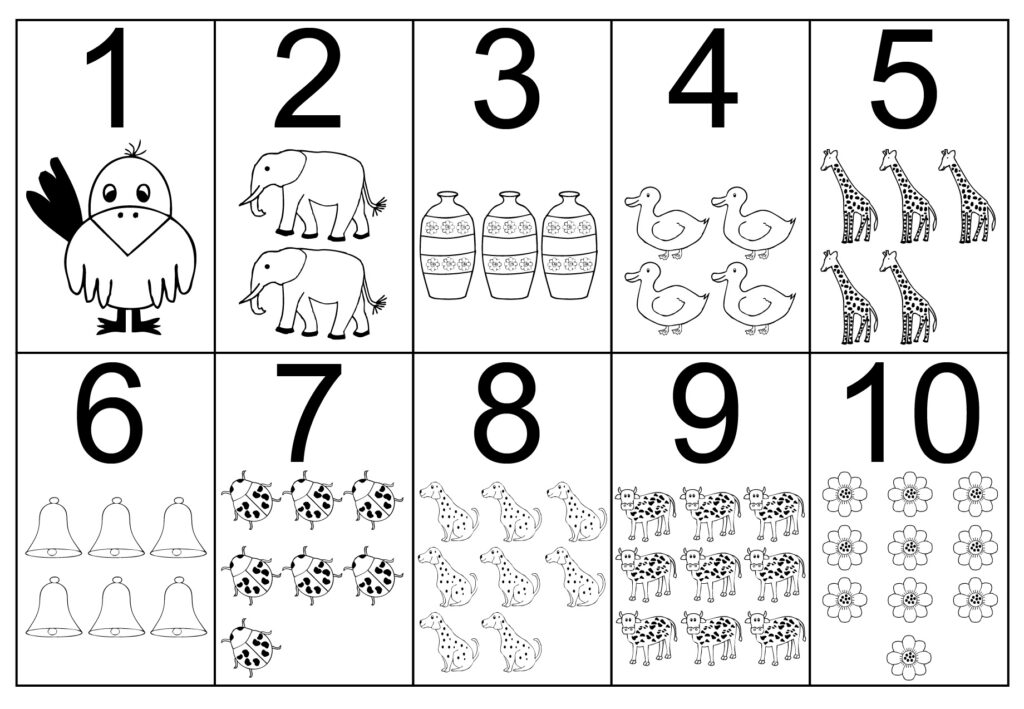
Use a simple folder or binder to collect pages like coloring pages number 6 for future sessions, turning them into a small geography portfolio. Pair the activity with a printable map outline or reference map, so children can compare their page to a real-world frame. Different page styles can support varying ages—from single-feature focuses for younger learners to more complex scenes for older children. The key is to keep the activity flexible and enjoyable while staying true to the geography idea.
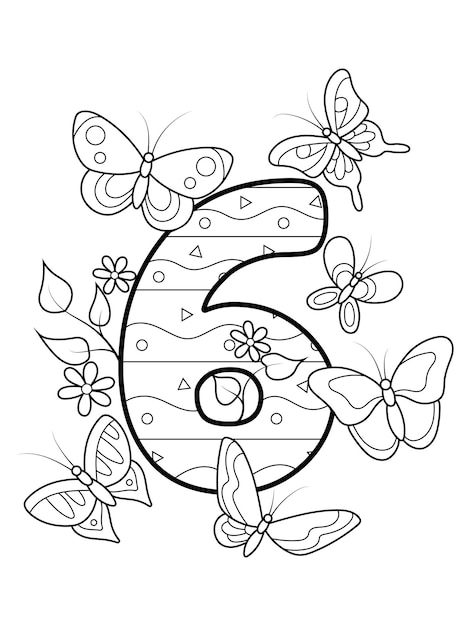
With this approach, coloring pages number 6 becomes a quiet, hands-on companion to geography exploration. It invites looking at places from a fresh angle—one color at a time—without pressure. When used regularly, it can spark ongoing curiosity and provide a simple, repeatable routine that supports informal geography learning.