barney coloring pages provide friendly, approachable images that are ideal for shading practice. This guide explains simple strategies to experiment with light and shadow, color layering, and depth on familiar Barney characters, without promising mastery. Use steady steps for best results.
For shading practice, start with pages that feature broad shapes and clear outlines. Barney characters offer easy areas to test pressure, gradient, and color transitions without overwhelming details. Begin by placing a light base color and then gradually add darker tones along curving surfaces, such as the contour of a smile or the brim of a hat. Think about a consistent light source so highlights and shadows fall naturally, and use a small blending tool to soften edges. Keep a simple plan: one page, one color family, and one shading goal for the session. Over time, you can look back to observe how your shading feels and where you’d like to push contrast.
barney coloring pages
Move beyond flat color by layering color in thin, even strokes rather than pressing harder. On Barney coloring pages, practice shading around the edges of clothing or the curve of an arm to suggest roundness. If a line seems harsh, use a light glaze of a complementary shade to soften it. Swap between pencils, markers, or crayons to see how each medium blends. Label a few swatches with notes like light, midtone, and shadow, so you remember the tones to reach for next time. The goal is a visible sense of dimension that makes the image feel lively while you color.
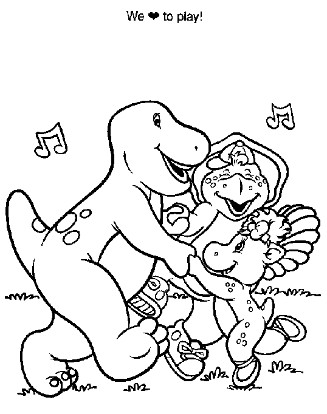
To build consistency, use a small palette drawn from the page colors or your favorite Barney colors. Practice blending warm and cool tones to create subtle shading, such as under Barney’s chin or along clothing folds. If you want a faster exercise, shade a large area first, then move to details, watching how light direction changes results. For younger colorists, explaining your aim aloud can clarify how you apply pressure and choose hues. Regular, short sessions keep shading practice steady.
Shading exercises
Three practical exercises help you expand from simple fills to richer Barney coloring pages without rushing the process. First, try a smooth gradient along the character’s sleeve, gradually increasing color density from light to dark. Second, use cross-hatching or tiny parallel strokes to simulate texture on hair or fur, keeping the direction consistent with the light source. Third, practice edge shading around the contour lines to suggest depth while leaving highlights intact. Do these in short sessions, compare results across attempts, and remember that consistency over time matters more than speed. You can repeat these steps on different Barney coloring pages to build familiarity with shading patterns.
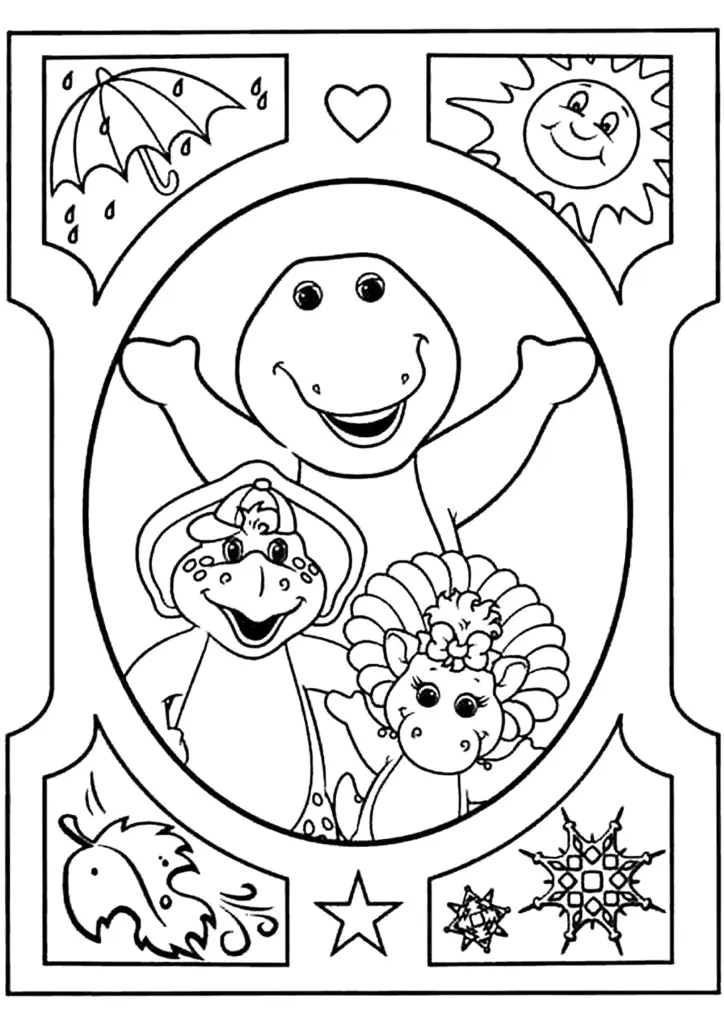
As you expand to more detailed Barney coloring pages or seasonal themes, keep shading goals realistic and adapt to page complexity. If a page has tiny features, focus on larger planes first and reserve fine details for later sessions. Building a routine around barney coloring pages — one page per session with a clear shading objective — helps you see gradual progress. Remember to rotate between lighter and darker palettes, so your eyes learn to distinguish depth rather than just color.
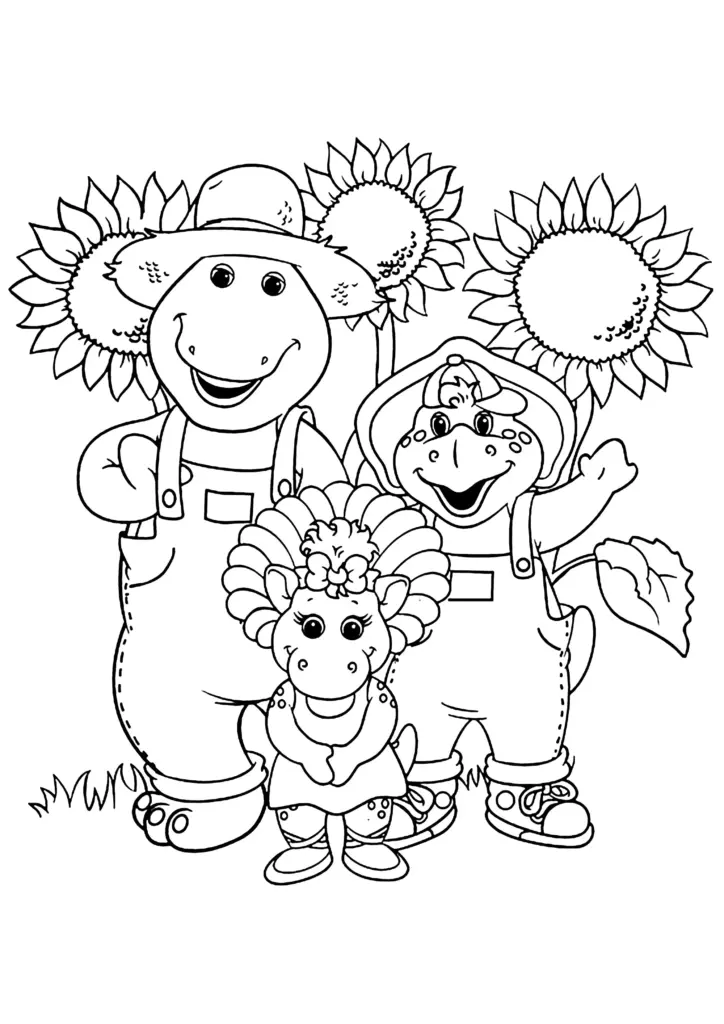
Using barney coloring pages as shading practice can be a calm, focused activity that fits into short sessions or longer coloring times. The key is to keep goals simple, celebrate small improvements, and keep the pages accessible and friendly. With patience and regular practice, you may notice more even gradients, smoother edges, and more confident color choices over time, all while enjoying a familiar character. If you revisit the same page later, you might see a noticeable shift in depth and texture, a reminder that shading is a journey, not a race.