From a Learning Station Designer’s perspective, a baseball printable scorebook becomes a hands-on tool for students and coaches. It turns live play into a readable story, helping learners observe patterns, track progress, and discuss strategies after each inning.
Getting organized
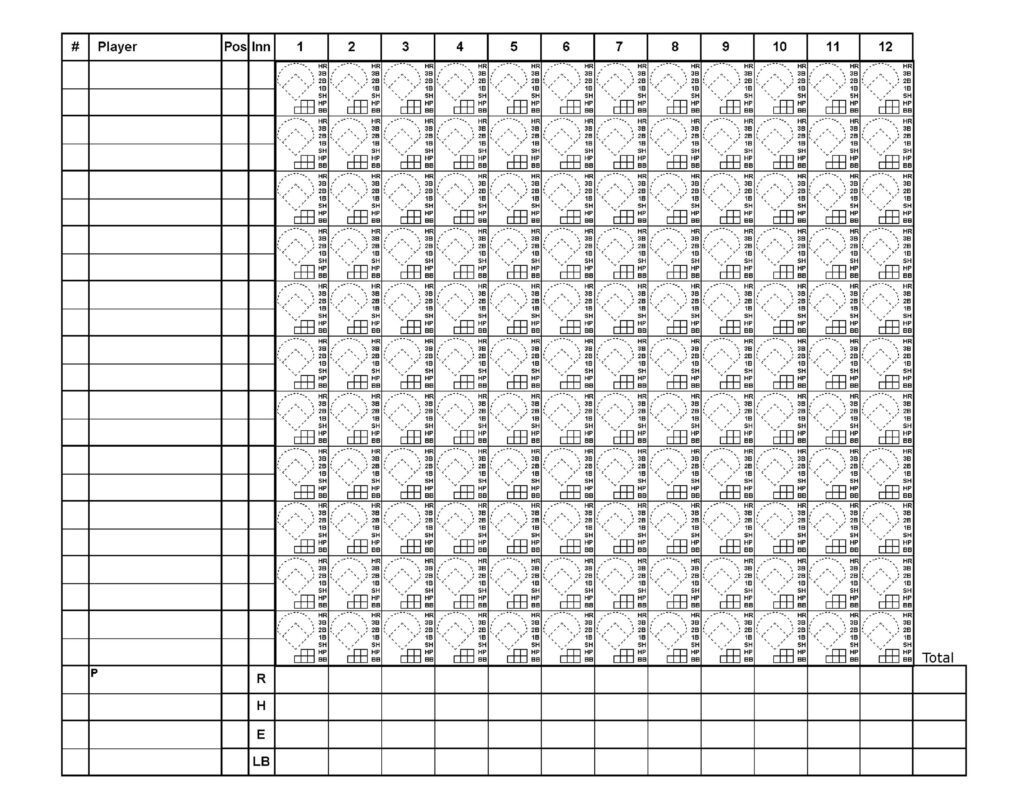
H2: Planning the baseball printable scorebook for a station-based approach. Start with a clear scoring grid that tracks outs, runs, hits, and errors so students can see how the game unfolds. Add a simple roster area, and a few lines for pitchers and fielders to mark substitutions, which makes it easier for learners to follow shifts in the game. Think through how a student might explain a decision to a partner, and leave space for a brief reflection after the bout. Picture a quick model at the start of a session, then a short debrief where students compare notes and refine the method for the next game.
Practical setup tips
To make it work in a busy gym or field, design a layout that is easy to scan from a distance and quick to fill during a pause in play. Use consistent column alignment and clear headings so learners can locate information without disruptive searching. When you model a clean example by recording a sample inning, students imitate the method and adapt it for different games, building confidence in both math and observation. A thoughtful design also invites peers to check each other’s work, turning the scorebook into a collaborative learning tool rather than a solo task.
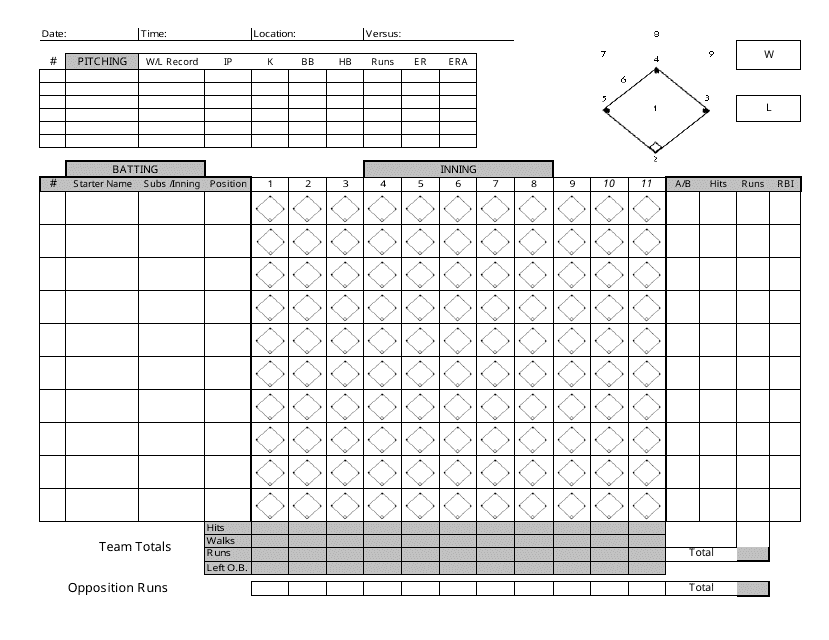
During practice, rotate students through the role of scorekeeper to build data literacy and accountability. A short, guided protocol helps a group transition from play to recording with minimal downtime: identify the action, note the player, mark the outcome, and pause to review what happened. With a steady routine, the class develops patterns in what matters most—outs, baserunners, and defensive changes—without losing track of the flow of the game. This approach keeps the energy positive and provides regular, tangible feedback for everyone involved.
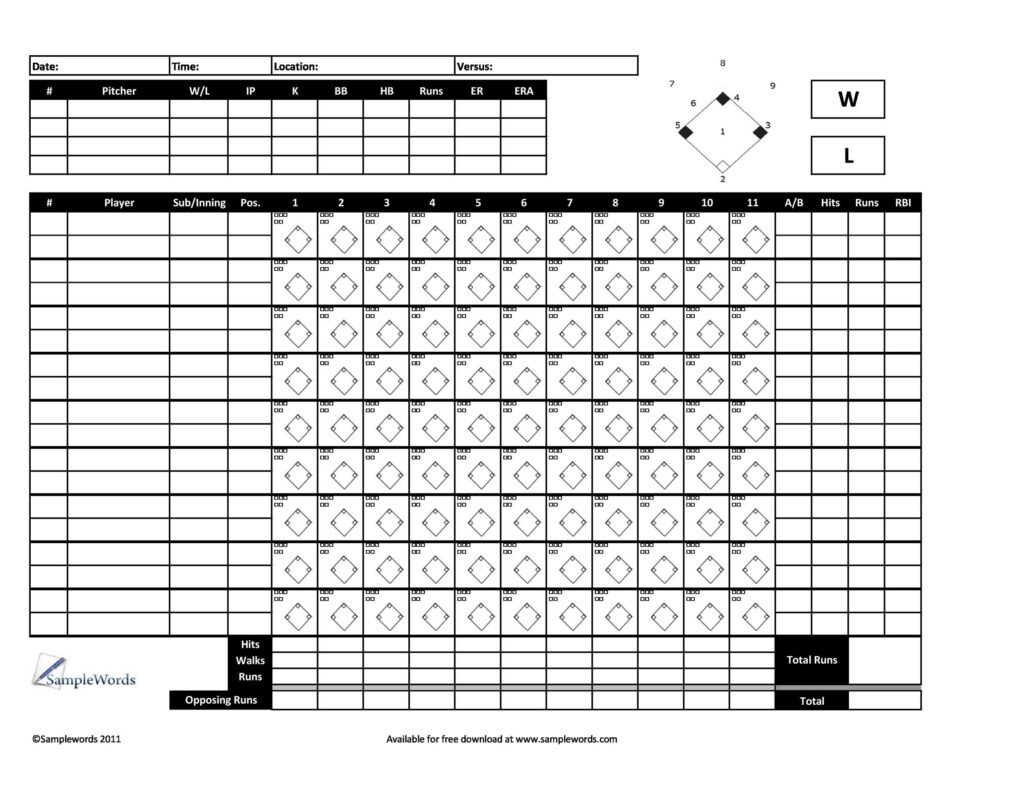
After a session, have learners translate the written notes into quick summaries or simple charts, then discuss what the data suggests about strategies and player development. This approach links literacy, math, and sports science in a natural way, reinforcing argumentation and evidence-based reasoning. A well-used baseball printable scorebook becomes a tool for dialogue, not just data collection. Students can practice summarizing outcomes in their own words, which supports communication skills and helps teachers assess understanding.
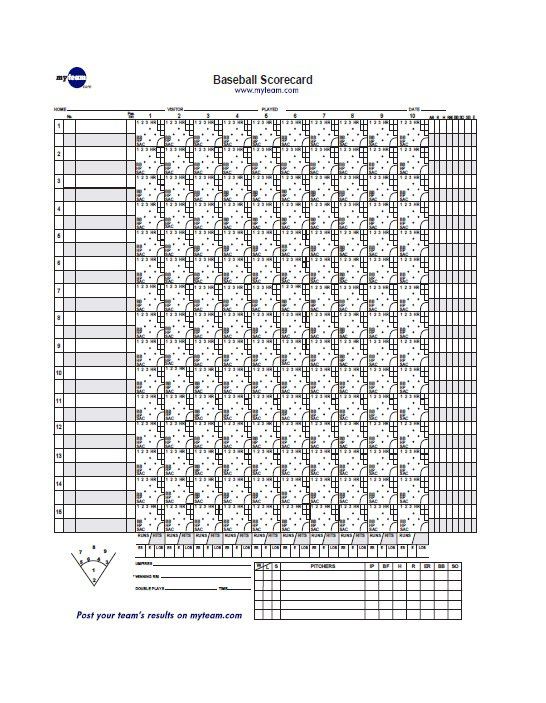
As a Learning Station Designer, I encourage you to customize the tool to your group's rhythm and goals. Start with a basic structure, then invite students to suggest tweaks that reflect how they think about the game. When you see students take ownership of the scorebook, you’ll know the effort paid off, inning by inning. Use reflection prompts after games to guide students toward deeper questions like what worked, what didn’t, and how misreads affected a play.