In this week’s Classroom Ideas column, we explore how a simple black paper printable can spark creativity, focus, and hands-on learning for learners of all ages in your classroom, turning blank sheets into versatile tools for math, literacy, and project planning.
Using a black paper printable stretches learning beyond plain worksheets. When students write, draw, and label on dark paper, ideas grab attention and stay with them longer. You can create math flash cards, vocabulary cards, and science diagrams that remain legible at a glance, especially in busy corners of the room. The key is to pair clear templates with guided practice so learners know where to start, what to include, and how to tidy their work. As a classroom coach, model a simple, repeatable routine: introduce the task, demonstrate a single example, then circulate with supportive feedback that reinforces accuracy and ownership.
Getting started

<h2>Versatile formats for black paper printable projects</h2>Within a single printable, you can blend drafting spaces, checklists, and quick assessment prompts. Look for templates that balance linework with ample margins so students can add notes without crowding the page. Keep prompts concise and actionable so learners stay focused, and provide a clear progression from independent work to collaborative tasks. By selecting formats that invite reflection and revision, you help students grow confidence as their ideas take shape on a textured surface.
Before printing, decide the objective and the skill you’re reinforcing. Then craft simple success criteria and a short exemplar so students can visualize the outcome. Offer sentence frames to support writing on dark surfaces, such as 'I notice…' or 'The main idea is…' This scaffolding helps learners articulate thinking without getting bogged down by formatting. Finally, build in a quick peer-review moment where students discuss what works and what could improve, reinforcing a growth mindset.
Tips for success
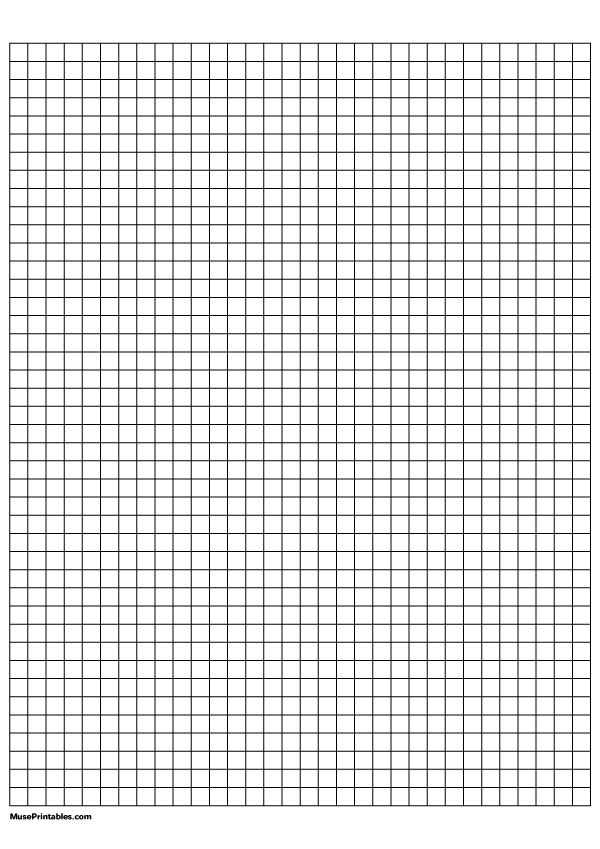
For math, students build number lines, place-value charts, or fraction models directly on the surface, labeling steps as they go. In literacy, they craft short glossaries, label characters, or assemble quick rehearsal cards for reading aloud. In social studies, timelines and simple symbols help show sequence and relationships. The aim is to keep tasks focused with a clear outcome, so students move from planning to sharing their work with confidence.
To support diverse learners, offer adjustable prompts, larger templates, and explicit success criteria. Allow a range of entry points, from quick labels to more detailed diagrams, so students can choose a level that fits their readiness. Build flexibility into the routine: a brief warm-up, a short main task, and a compact reflection. When you honor different paces and styles on black paper printable tasks, you help every student participate and grow.
Experiment this week with a single black paper printable activity and notice what changes in engagement and talk. Invite families to try a simple template at home and share discoveries in your next meeting. Remember, the strength of a dark surface is its capacity to reveal thinking in crisp, memorable ways, especially when you guide learners with clear steps and positive feedback.