Autumn harvest coloring pages offer simple, seasonal activities that adults can use with preschoolers. This article explains practical ways to choose and use these pages for short, focused sessions that build color familiarity, motor control, and concentration without pressure. The idea, autumn harvest coloring pages, is to keep sessions calm and doable.
Begin with a small, easy design—like a pumpkin, a leaf, or an acorn—and invite simple choices. Show a palette of warm autumn colors and name them aloud as the child colors. Use short, concrete questions to invite discussion, such as 'What color is the pumpkin?' or 'Which leaf shape do you like best?' Keep the session short, about five to ten minutes, and gently pace the activity so the child can finish the picture before fatigue sets in. If attention wanders, switch to a different page or a different color for a minute and then return.
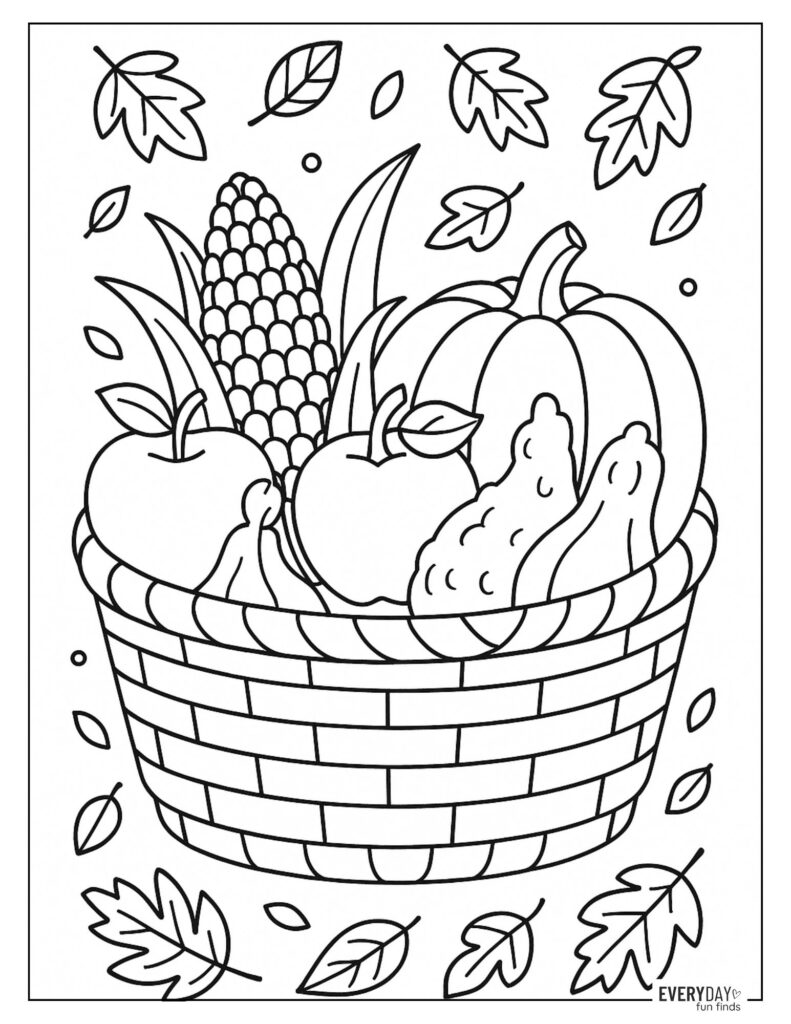
Simple page selection
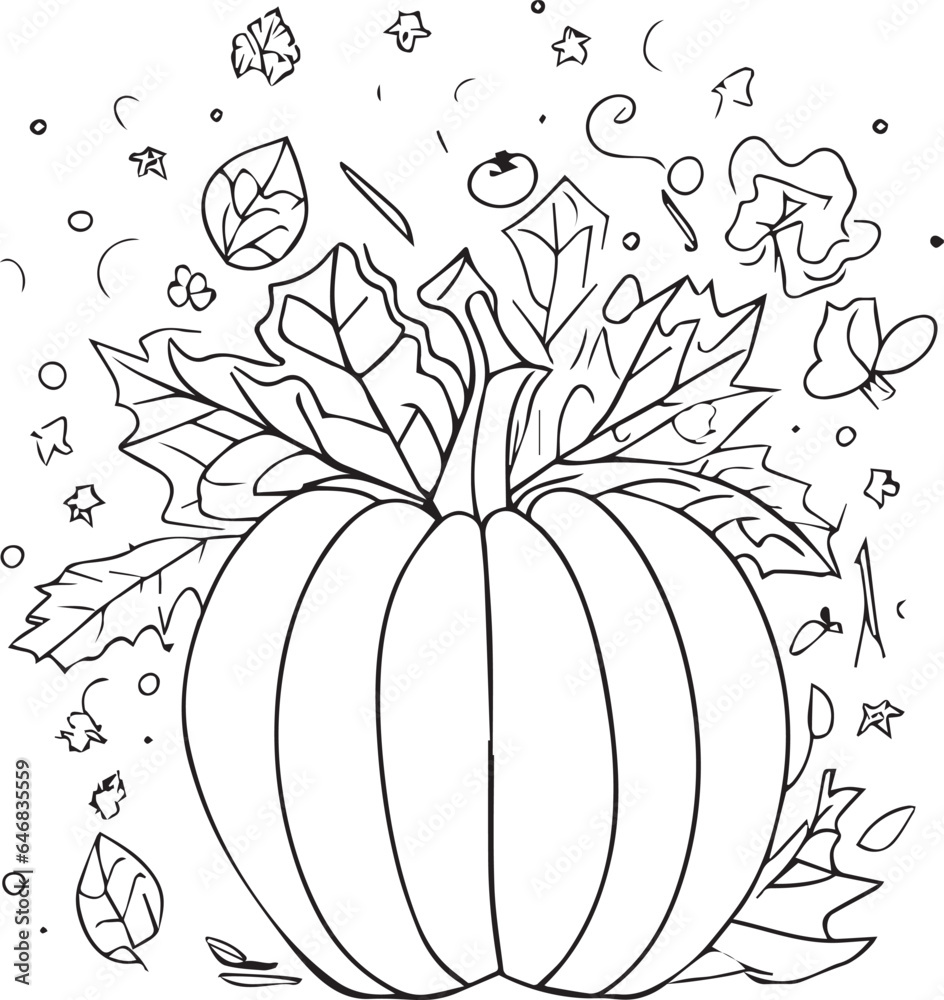
Choose pages with high contrast and clear, thick outlines. Look for large, simple shapes that fit within a preschooler's developing motor skills. A single pumpkin, a row of corn, or a smiling scarecrow can be colored in several steps, giving a sense of progress. Provide ample space around shapes so little hands don't feel crowded, and offer gentle prompts like 'stay inside the lines' or 'color one object at a time.' A calm, well-lit space reduces distractions and makes the activity feel manageable.
Mix themes to keep interest, from animals and harvest foods to seasonal scenes like a family picking apples or a cozy scene on a hayride. Present a small palette and name colors with the child as they color, linking choices to objects in the picture. Use a simple routine: look, color, name, and place the finished page in a small folder or tray. Offer praise that describes effort and strategy, not perfection, and give the child time to decide which colors feel right. If a page becomes frustrating, pause, switch to an easier one, and try again after a short rest.
Creative uses
Try simple mini-activities that build confidence while keeping fun intact. Start by tracing shapes with a finger or a crayon tip to warm up, then color inside the lines together. Encourage the child to name each object—pumpkin, leaf, corn—while you model color choices. Add a light sensory cue, such as a cinnamon scent on a marker or a gentle clapping rhythm as you count to five, to create a calm, predictable rhythm. Remind learners that mistakes are natural and part of the process, celebrated with a smile and a finished page that's theirs to show loved ones.
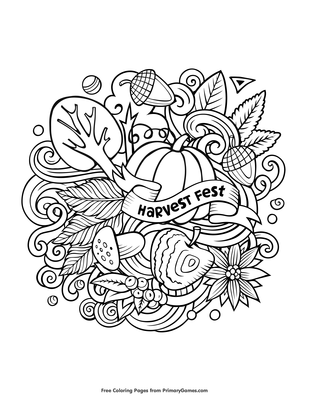
Plan a tiny routine to end the session, such as sharing one thing you liked about the page, placing it in a done tray, and stacking the crayons back in their box. Keeping a predictable sequence helps preschoolers know what to expect and reduces transitions. Have a small cleanup cue, like returning papers to a rack or wiping a tiny spot with a damp cloth, so the activity ends neatly. If needed, offer a quick stretch or a sip of water before the next activity. Consistency makes coloring time feel comfortable.
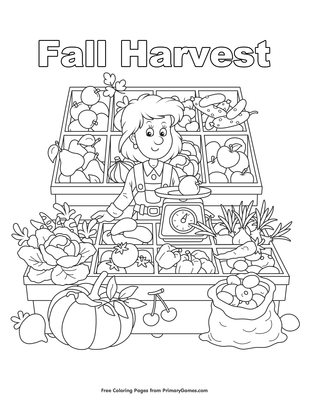
Revisit favorite pages later in the week to reinforce a sense of accomplishment. Save a few pages for quiet time or small group sharing, where children can point to colors and explain their choices. If a page feels under-challenging, switch to a slightly more detailed design or introduce a new color family, like shades of orange and brown. The goal is gentle engagement, not perfection, so keep the pace comfortable and let preschoolers lead at their own speed. With patience, autumn harvest coloring pages become familiar, enjoyable parts of a weekly routine.