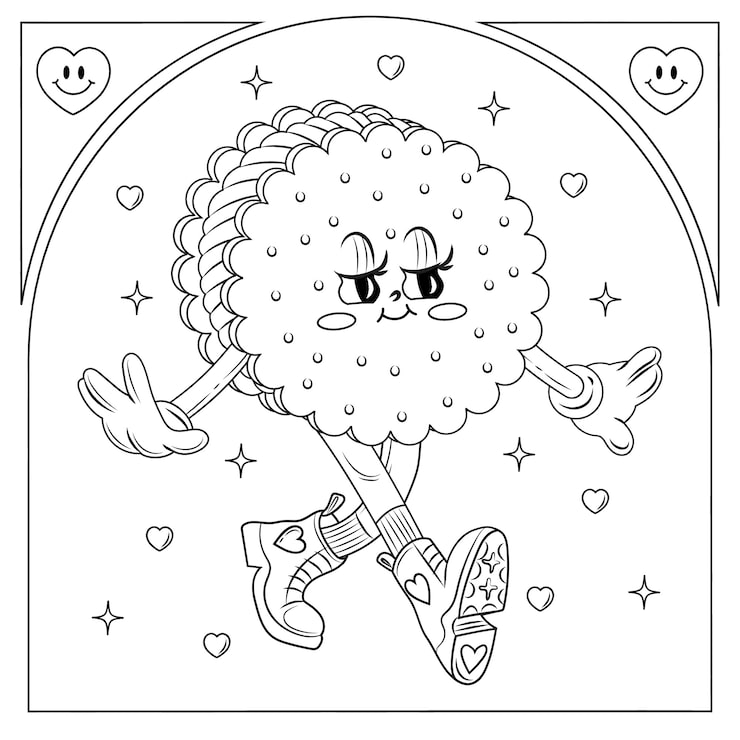
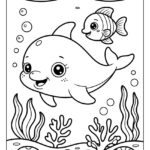
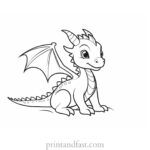
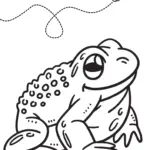
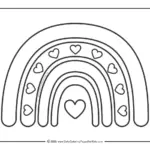
For teachers with students who finish early, goosebumps coloring pages provide a calm, accessible extension. They fit between literacy tasks or math warmups, offering quiet practice with focus and independent work, without adding planning stress.
These pages work well as a quiet choice during independent work or when a student finishes early. They use clear lines and moderate detail, which helps sustain attention without overwhelming. You can offer a small selection and let learners pick a page that matches their mood or current topic. The activity is predictable; color inside the lines, choose steady hues, so students feel confident, and you can monitor progress with a quick glance. The goal is steady engagement rather than speed or perfection, which helps preserve a calm classroom environment. This approach also helps substitute teachers maintain a steady routine.
goosebumps coloring pages tips
Set up a simple routine: a small folder with a few goosebumps coloring pages, a container with pencils or crayons, and a timer set to 8-12 minutes. When a student finishes early, invite them to choose a page and start coloring, then place it on a designated tray to be checked later. If your class uses centers, label this option on a laminated station sign so students recognize it quickly. You can tailor pages to curriculum themes by selecting designs that echo a current science topic, a literacy unit, or a holiday. Keeping copies organized and accessible minimizes disruptions, so completion feels like a quiet accomplishment rather than a distraction.
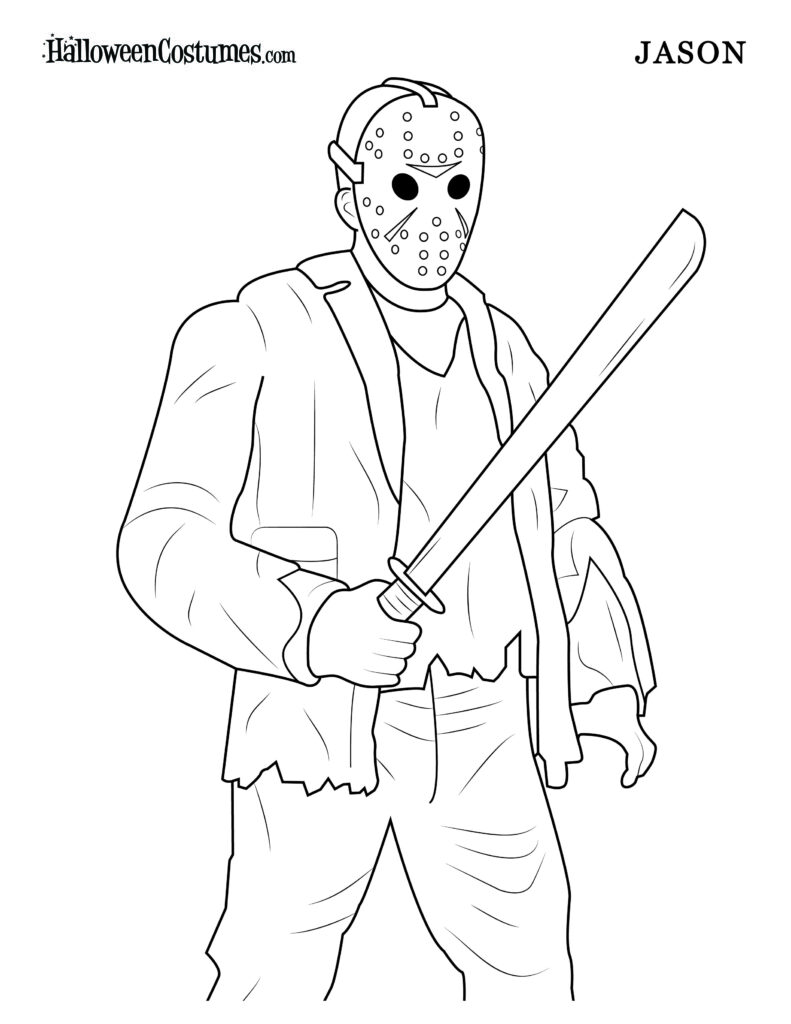
To keep things equitable, have a small assortment of designs at varied difficulty. Some pages feature larger shapes for younger readers or students who benefit from simpler lines, while others offer intricate patterns for those who crave a challenge. Choose designs with high contrast for students who need clearer edges, and provide a couple of grayscale options if your room allows. A brief prompt such as color the character to reflect its habitat can extend the task beyond coloring. You might also invite a one-sentence caption or label after finishing to link the activity to literacy tasks without adding heavy workload.
Implementation tips
Try rotating pages with seasons or themes to keep the activity fresh across weeks. For early finishers, the objective is quiet, steady work, so encourage them to complete a page and place it in a completed tray for a quick check at the end of the period. If you share supplies, keep materials clearly labeled and create a simple sign-out routine so students know where to return pencils and erasers. After coloring, offer a short extension such as writing a sentence about the scene or drawing a border to practice fine motor skills. This approach helps maintain classroom flow without adding noise or fuss.
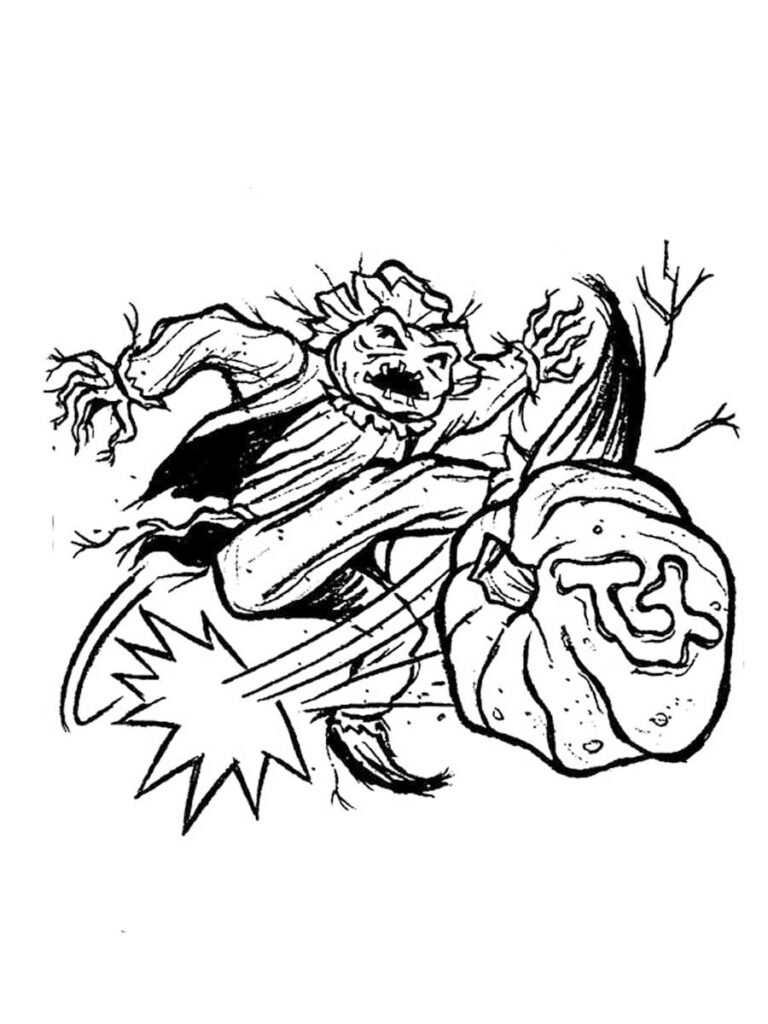
Track usage over time and respond to feedback. Note which pages attract the most interest and which designs cause uncertainty, then rotate in new options every couple of weeks to keep the bundle fresh. Encourage students to reflect briefly on their choice and the colors they used, reinforcing ownership of the activity. If you have a printable shelving area, place the unused pages nearby so the quiet extension remains accessible to anyone who finishes early.
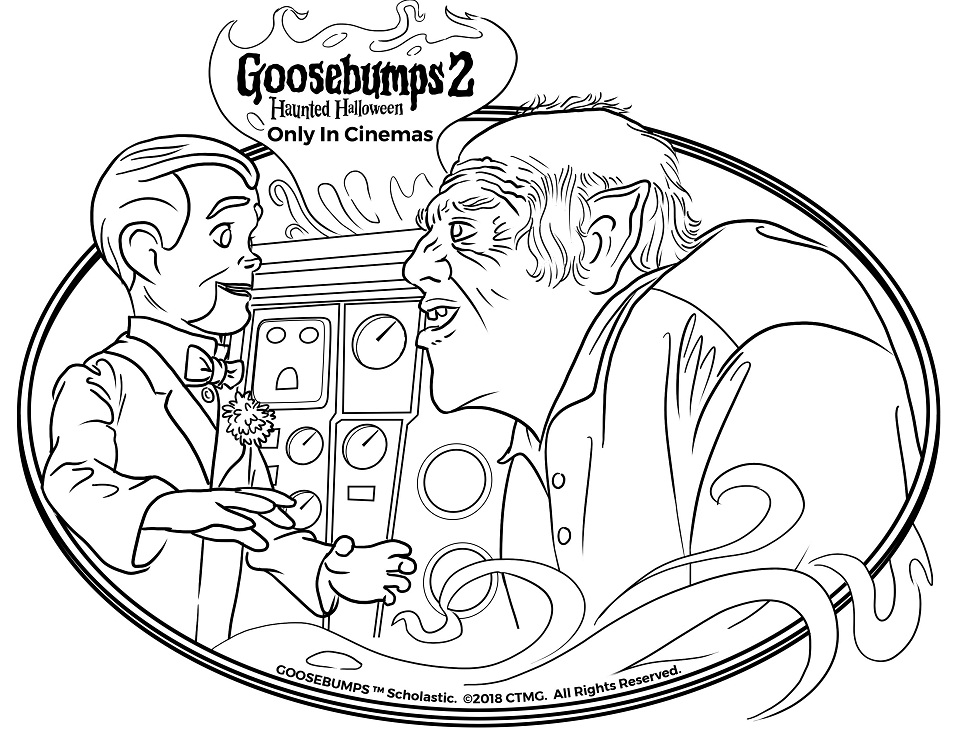
Goosebumps coloring pages are versatile and evergreen. They adapt to many ages, topics, and classroom rhythms, helping you preserve quiet, constructive moments in a busy day. With a simple setup and a thoughtful page mix, early finishers benefit from meaningful time on task without requiring extra planning or materials. In the end, the most successful approach is consistent routines and options that learners can manage independently. It remains flexible across groups.