Discover an atkins food list printable crafted for orderly kitchens and straightforward meal planning. This compact, printer-friendly resource gathers core protein, veggie, and fat options, helping you shop, assemble meals, and track allowed items with a calm, handwriting-friendly layout.
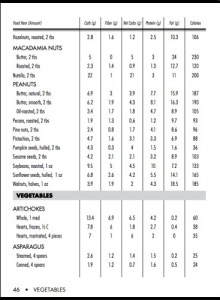
Printed resources excel in busy kitchens because they stay with you from grocery shopping to dinner prep. The layout uses clear categories, bold headers, and generous margins so you can annotate without crowding. A faithful atkins food list printable keeps meals aligned with carb limits across the week, reducing decision fatigue. Additionally, the design preserves ample white space for handwriting notes and quick checkmarks. The font choices prioritize legibility at distance, which is helpful when you mount a page on a fridge or keep a travel copy in your binder. By choosing a printable that breathes, you reduce clutter and misreads at the moment you need to decide what goes on your plate. In my line of work, I value durable, legible printables that can be used repeatedly.
atkins food list printable formats
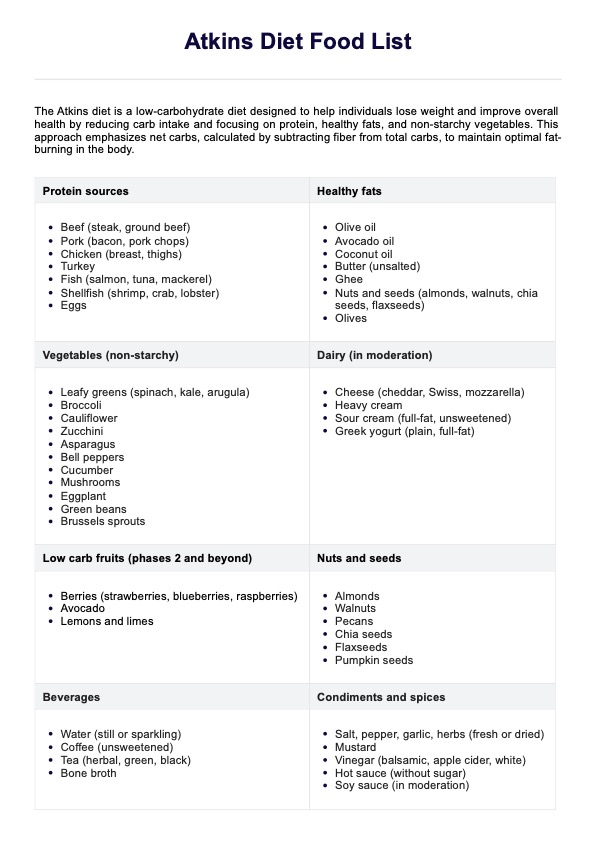
Key sections of an Atkins-friendly printable include a master foods list, a weekly meal plan, and a grocery tally. The master list separates proteins, vegetables, fats, and dairy, with a few pantry staples to keep you moving. A simple checklist next to each item helps you decide what to buy and what to skip on busy days. Icons or color blocks can indicate allowed items by phase, making it quick to scan. You can also add small icons to mark favorites, meals you have already prepared, or items you are avoiding. If you track your progress, a notes column helps you capture weekly reflections or adjustments. The printer-friendly layout I favor keeps lines crisp, margins generous, and headings sized for quick scanning.
To maximize usefulness, choose a format that fits your space. A one-page sheet works on a fridge door; a two-page spread suits a desk, and a laminated version survives kitchen spills. Use a pencil or dry-erase pen so you can adjust as your plan evolves. Pair the list with simple weekly meals—breakfasts of eggs and avocado, lunches of greens and protein, dinners like grilled chicken with roasted vegetables. Consider making a small supplement page with portion ideas and carb counts for common ingredients, so you can quickly estimate macros while you prep. I also recommend spacing for pantry inventory so you always know what is on hand before you shop.
Customization tips
Personalization tips: replace generic items with your favorites and list pantry staples you already have. Add a 'This Week' column for planned meals and a 'Needs & Substitutes' row for items you run out of. Keep the scale simple: one line per item and checkboxes that mark 'have,' 'consider substituting,' and 'need to buy.' A pocket-sized version can live in a recipe binder or clipped to a magnetic board. If you share your kitchen, consider a family-friendly version with color-coded sections so others can contribute without confusion. As a paper goods specialist, I suggest starting with a baseline you can build on, then print a fresh copy weekly.
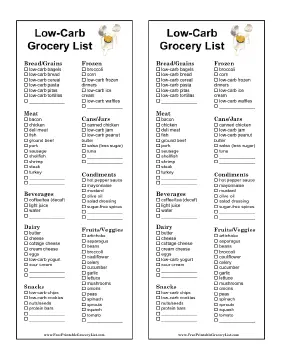
Care and printing considerations help this printable stay useful. Use high-contrast fonts and a clean grid so you can read at a glance from across the room. Print on standard letter size and choose a heavier stock if you plan to laminate; a matte finish reduces glare in bright kitchens. If you lack a color printer, switch to grayscale and rely on bold headers to separate sections. Store extra copies in a file folder or binder so you can rotate a fresh sheet each week and keep the current plan visible on the fridge. A well-chosen printable should look elegant on cardstock as well as standard printer stock.
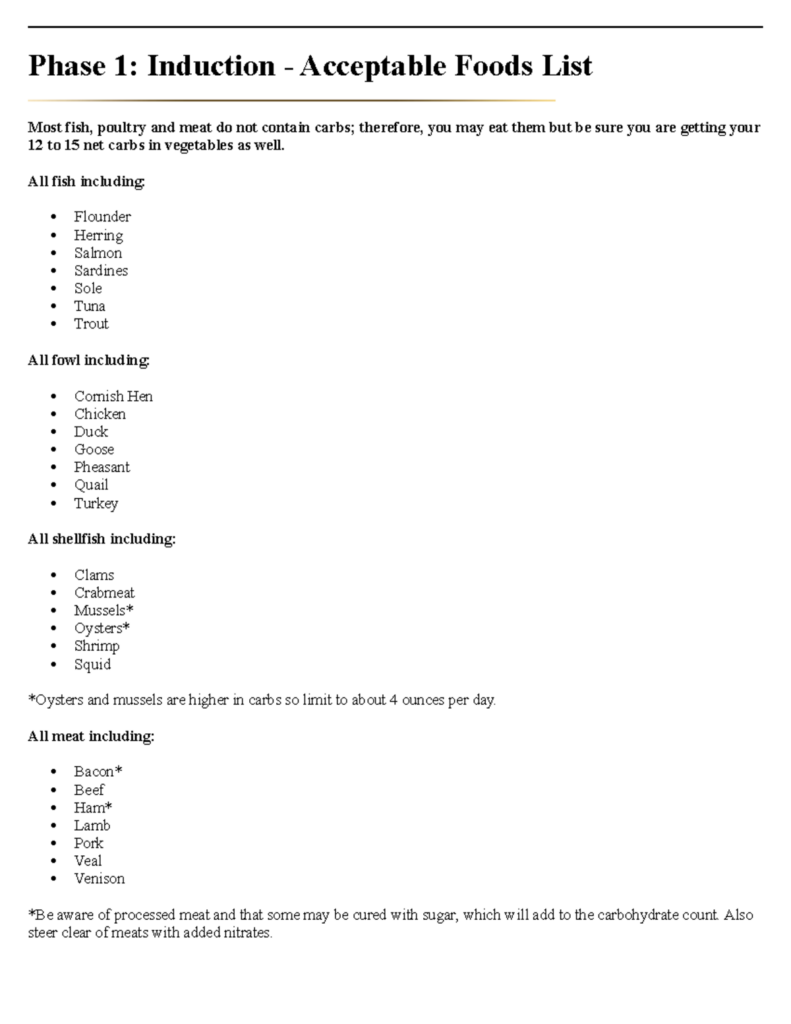
With a thoughtful Atkins resource at hand, daily decisions become calmer. The printable format supports consistent shopping, meal prep, and tracking, so you can stay on track without guesswork. By keeping your list tidy and up to date, you reinforce healthy habits that fit real-life schedules. Think of it as a small, tactile anchor in the kitchen that you can rely on when plans shift or meals need adjustment.