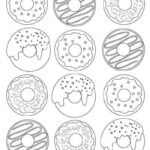
Donut coloring pages printable offer a versatile starting point for classroom activities. This article shows how to plan, prepare, and connect a simple coloring task to math, vocabulary, and hands-on learning while keeping students engaged.
In practice, choose a set of donut coloring pages printable that aligns with your grade level and objectives. Have a quick demonstration ready, showing how lines, shapes, and symmetry play into a simple design. Prepare a one-page rubric or checklist so students know what they should accomplish and how they will share work. Consider placing a few questions on the board: how many donuts fit in a row, what patterns can be formed, and how a caption supports a main idea. This makes the activity a scaffolded, predictable routine that students can follow with minimal confusion.
Getting started
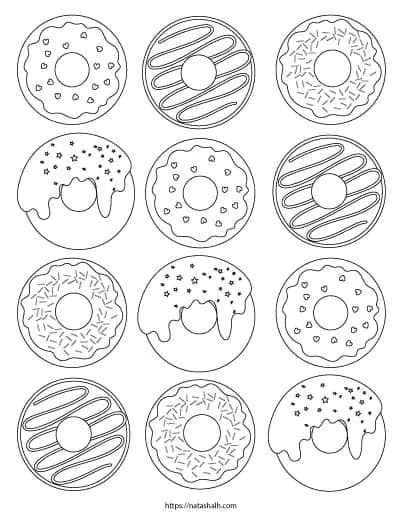
Structure the session into three small blocks: a warm-up, guided practice, and a shared reflection. For younger students, keep the set concise and create partner roles so one student explains to another while the other completes a prompt. For older students, add a writing prompt such as describing a favorite donut and explaining a simple design choice. Revisit math ideas by asking students to estimate quantities, compare areas, or recognize patterns in the arrangement of donuts. By keeping expectations clear and transitions smooth, donut coloring pages printable become more than a fun break—they can reinforce language, number sense, and collaboration.
To meet diverse learners, offer options: a plain outline for quick finishers, an extended sheet with a few extra decorative elements, and an optional label task that ties into vocabulary or measurement. Use a visual checklist and model with a small group before class or at a station. For multilingual classrooms, provide a simple caption prompt in the students' home language alongside the English prompt. The goal is to give every learner access to the activity while inviting higher-order thinking through comparing shapes, recognizing repeating motifs, and composing a short sentence about their design.
Assessment ideas

A typical class block can start with a quick moment to preview the task, then distribute donuts coloring pages printable to small groups. Allow about ten minutes for individual work, followed by a partner-sharing round where students explain their design choices and how they used the prompts. Conclude with a short gallery walk, where students place captions or labels next to a few samples. This arrangement supports turn-taking, peer feedback, and a visible record of progress. Afterward, collect the sheets for a quick formative check, noting students who may need extra practice or enrichment.
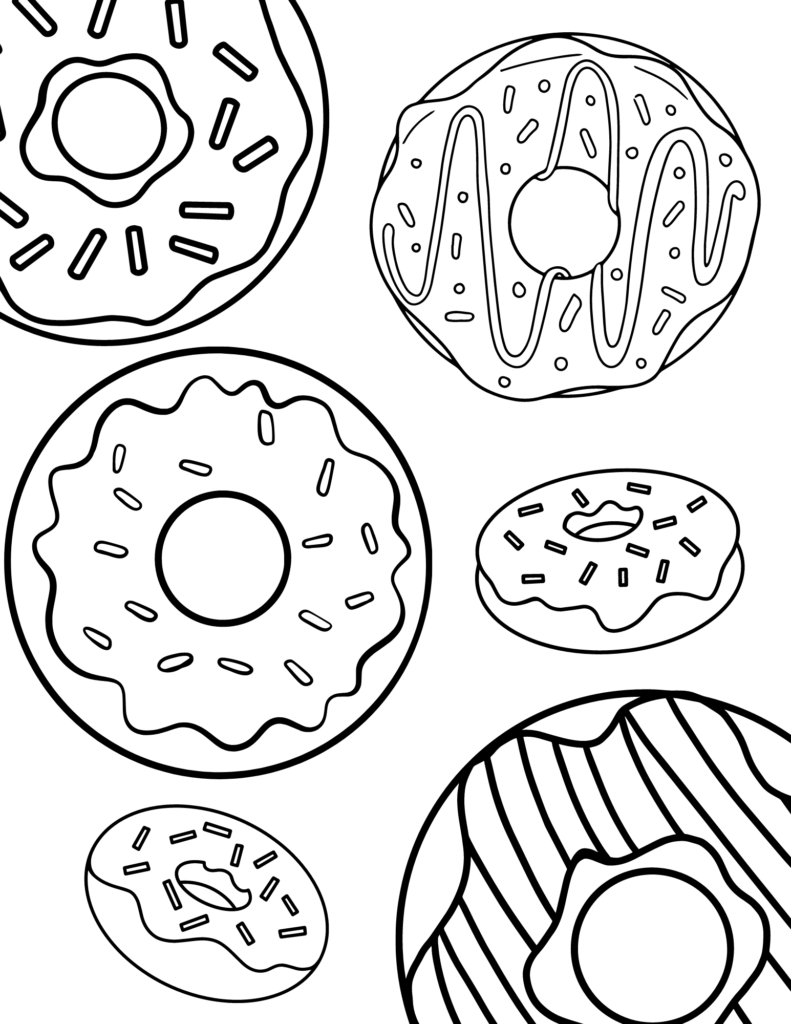
Keep the setup simple: arrange workstations with one sheet per student and a central supply area for pencils or erasers. Allow students to place finished sheets in a designated bin, and reuse the same templates throughout the week to build familiarity. Provide a quiet area for students who benefit from a calm workspace, and offer a bell cue to signal transitions between steps. By maintaining clear routines and predictable expectations, donut coloring pages printable can function as a supportive activity that complements literacy centers, math centers, or science-themed units without overpowering the lesson.
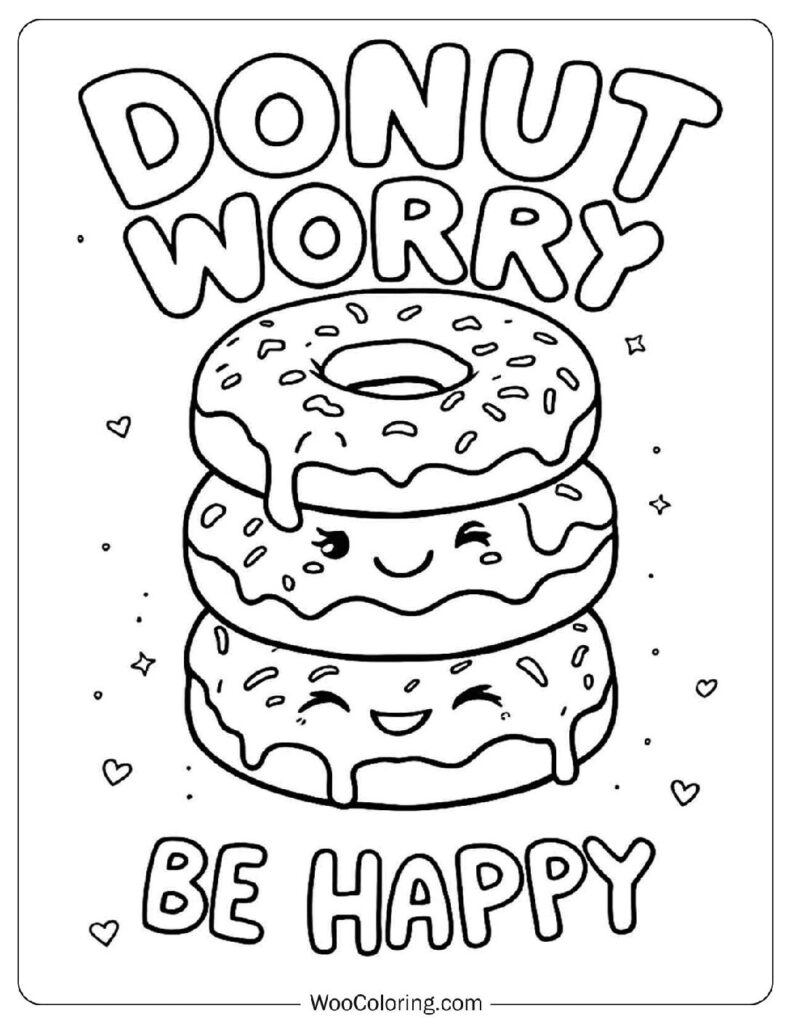
Using donut coloring pages printable in your classroom can be a simple, flexible addition to instruction. When you align the activity with your objectives, prepare a clear plan, and provide options for varied learners, you create an accessible entry point for many students. Monitor engagement and adjust pacing, then build a small library of similar pages for future units. The key is to treat this as a scaffold, not a task, and to view student work as evidence of thinking rather than a final product. With thoughtful planning, this resource supports ongoing practice and collaboration.