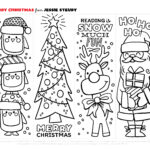
From the first lap of a workshop, I reach for familiar, low-stress resources that invite participation. Free bookmarks to print are prime examples: small, tangible prompts that anchor reading, mark progress, and inspire conversations between patrons and pages.
During workshops, I emphasize choosing bookmarks that align with current themes: a poetry week can feature line quotes, while a summer literacy drive benefits from a bookmark that tracks favorite titles. Participants often discover new authors by jotting quick notes on the back, comparing recommendations, and sharing brief reflections aloud. The act of printing becomes a small ritual that strengthens focus, reinforces page turns, and creates a visible thread of engagement across sessions. That shared vocabulary travels back into the library stacks as a reminder of common reading goals.
To start, select designs that are welcoming to all ages. Simple layouts with generous margins keep room for annotations, while bold colors help younger readers find their place. I encourage librarians to mix informational prompts – summaries, author facts, or reading challenges – with playful elements such as doodle spaces. A bookmark with a tiny checklist invites readers to mark completed titles, a habit that travels home. The goal is readability and motivation, not perfection. Even minimal icons can become memory anchors when students associate them with a moment from a story.
Free bookmarks to print
In practice, I rotate a few core templates each season: a library map guiding readers to related genres, a monthly challenge checklist, and a seasonal ribbon bookmark for display tables. When printing, I urge staff to trim cleanly and coat the backs for durability so they last through multiple readings. Sharing a few copies with each desk helps spread literacy habits without demanding heavy prep. We also keep a small station where patrons can personalize a bookmark with initials, colors, or a favorite quote. The result is a quiet, efficient rhythm that librarians can sustain across busy weeks.
Usage tips
Offer a quick hands-on activity: invite participants to choose a bookmark, personalize it with a name or color, and then place it inside a favored book as a bookmark and as a tiny study log. This practice creates accountability and a sense of ownership, especially for reluctant readers. When the session ends, the printed items can be kept as reminders on a library map or passed along to new classes. The simple act of customizing a page marker builds confidence in choosing books.
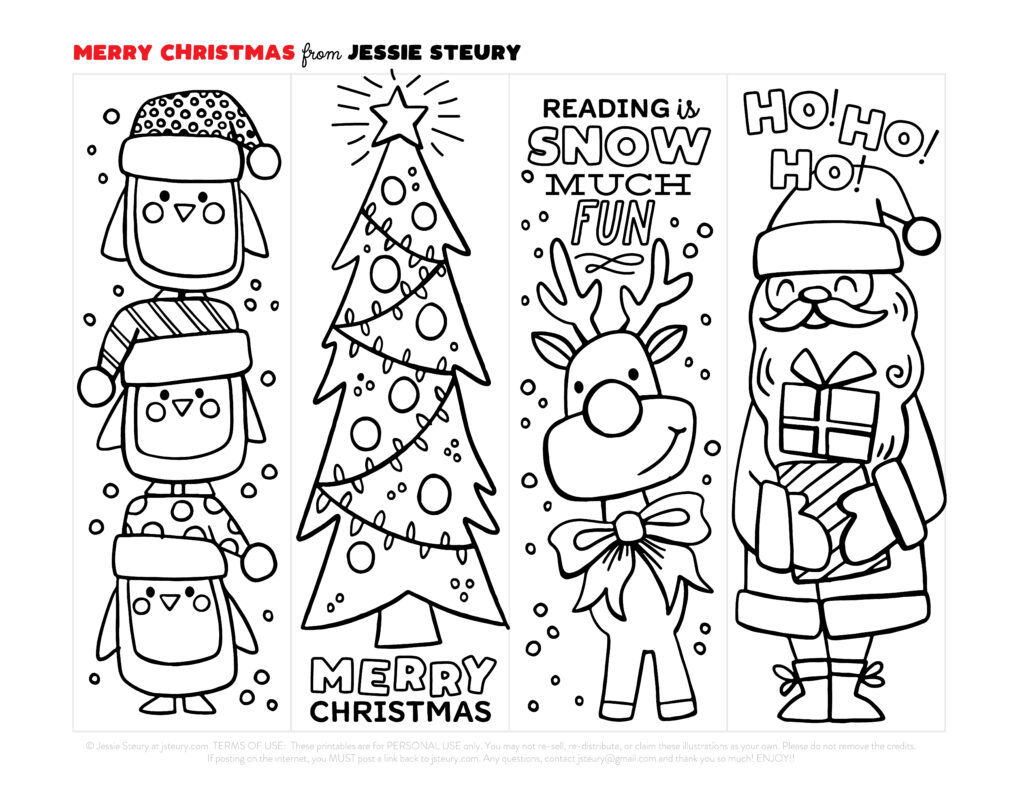
Seek feedback after each workshop to refine the offerings. A quick show of hands, or a one-minute poll, reveals which designs connect with readers and which prompts invite more notes. Use that data to mix new icons, themes, and challenges while keeping the core idea intact: accessible, friendly bookmarks that champion reading. Encourage librarians to keep a small repository of popular designs and rotate them monthly. A consistent, but evolving, display keeps the resource fresh and inviting. Keep a visible list of popular designs near the printer to encourage modern reuse.
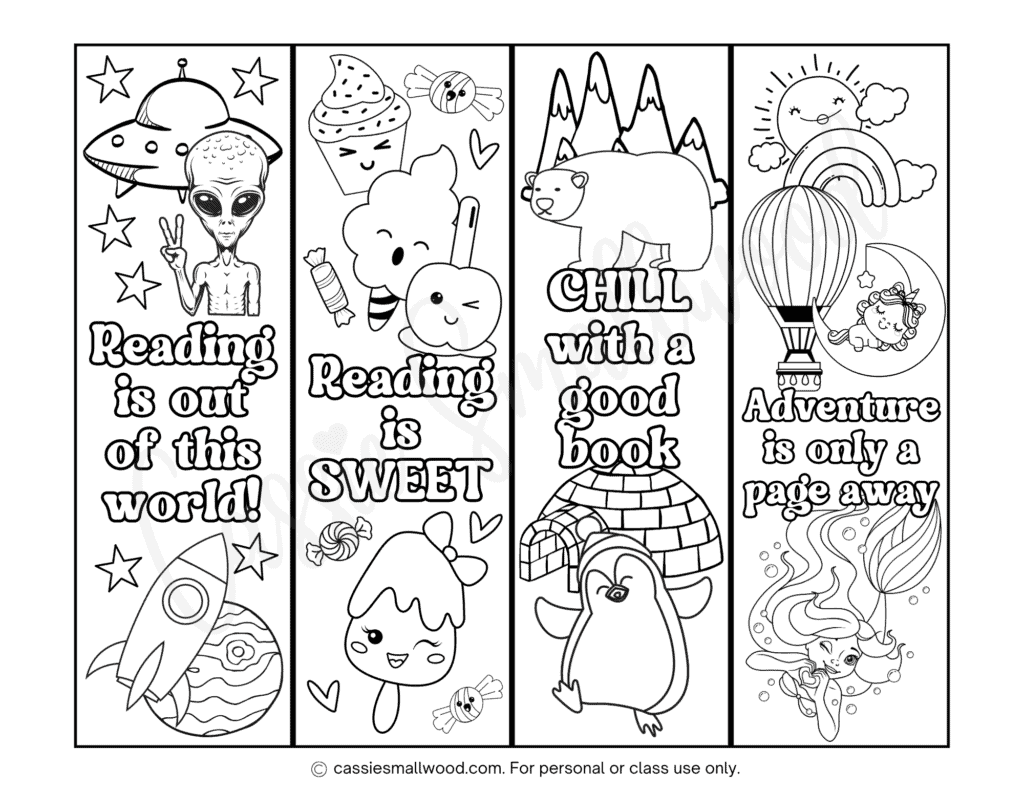
Beyond the workshop, free bookmarks to print circulate through shelves to guide readers toward new genres and authors. They spark quick chats about what to read next and provide a tangible reminder of the library's support. By curating small, varied designs, we invite a steady stream of returning patrons who feel seen and invited. Collecting stories from patrons about how a bookmark led them to a new discovery helps us shape future collections. We collect quick notes on a wall chart to track what resonated most.
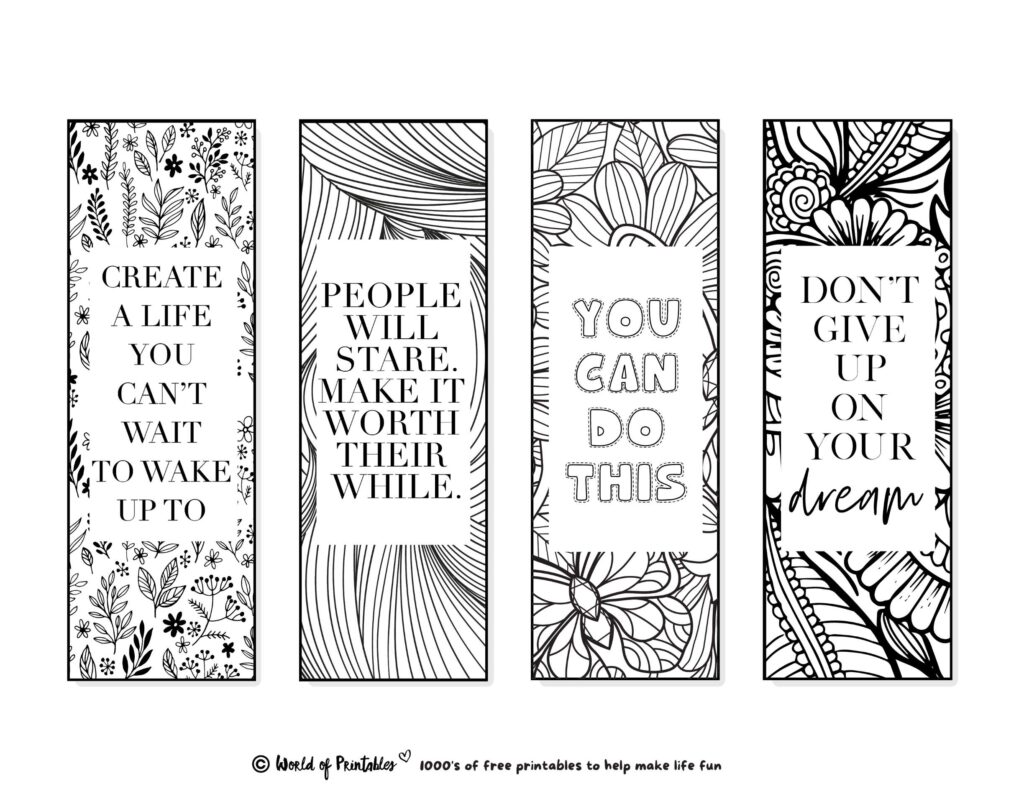
As a workshop leader, I see these small printed tools as bridges between pages and people. They invite daily literacy habits without demanding heavy time or resources. Free bookmarks to print, when used with intention, extend a library's reach and remind us that learning is a shared, tangible practice. In every session, they become a quiet call to pick up a book, try a page, and return with a new idea. These routines build a culture of reading that travels beyond shelves.