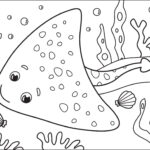
A stingray coloring page can be more than a quiet pause between activities; it can extend a science lesson by inviting careful observation, discussion, and hands-on reflection. Used thoughtfully, it helps reinforce core concepts while keeping students engaged in the learning process.
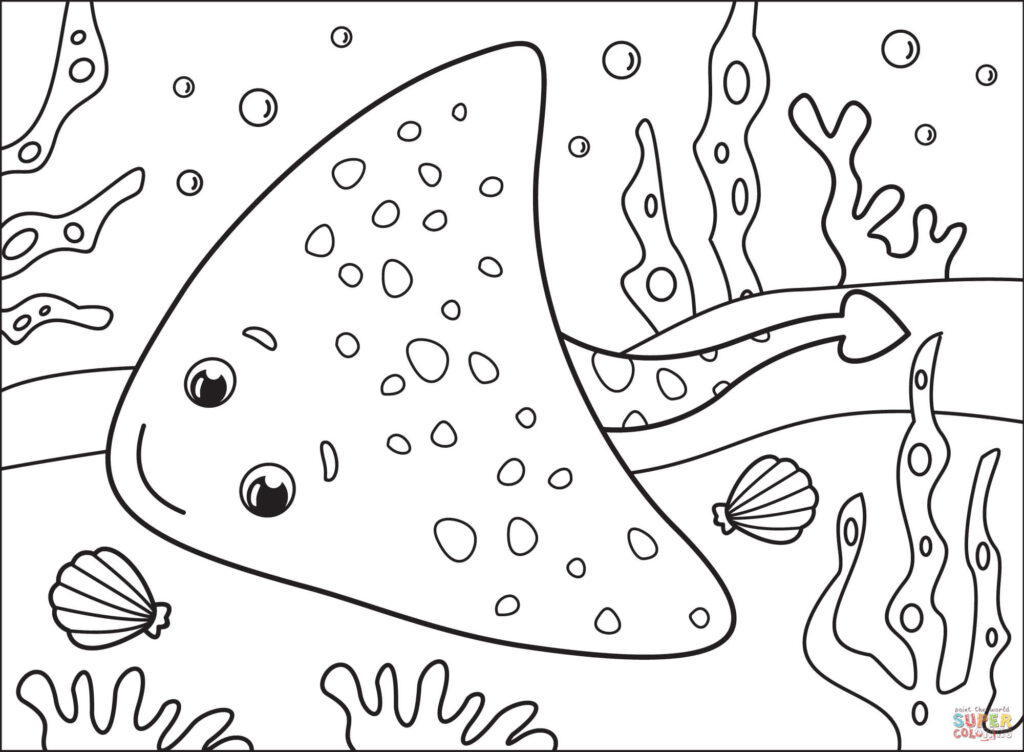
Start with a short, kid-friendly reading or video about stingrays to set the science context. Then let students color the page, encouraging them to name features such as the pectoral disc, gills, and tail. After coloring, lead a brief discussion comparing stingray movement to other fish and noting how its fins help it glide. Finally, have a simple notebook entry or caption that captures one fact learned from the activity.
stingray coloring page
These prompts show how a coloring page can support an ongoing lesson without replacing core activities. Use it to reinforce vocabulary and descriptive reading, then connect the drawing to a quick labeling task, such as identifying fins or gill slits. Students can discuss why the stingray’s broad tail helps with steering, and you can invite a short comparison to a fish with a different body plan. Framing the page this way keeps the academic focus clear while providing a tangible, hands-on moment.
For younger learners, keep prompts simple: name two features and describe their shapes or colors. For older students, add a habitat question, a quick food-web connection, or a short hypothesis about stingray behavior that can be checked later. The aim is to use the coloring page as a bridge—between reading and science, between discussion and writing—so students see the topic as interconnected.
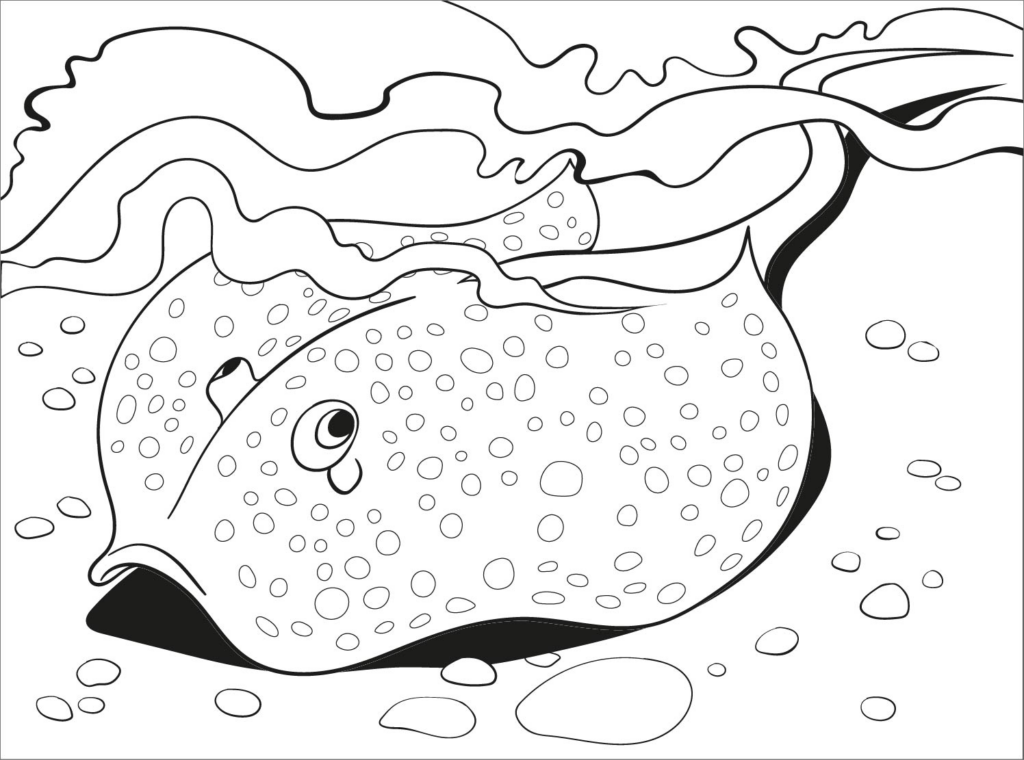
Lesson extensions
To extend the lesson further, incorporate cross-curricular tasks. Have students map where stingrays live on a basic globe or map, discuss environmental factors that influence coastal habitats, and write a caption explaining how color and pattern may serve camouflage in different water areas. You can also pair the coloring activity with a quick tally of colors used to describe patterns, building visual literacy and data awareness at the same time.
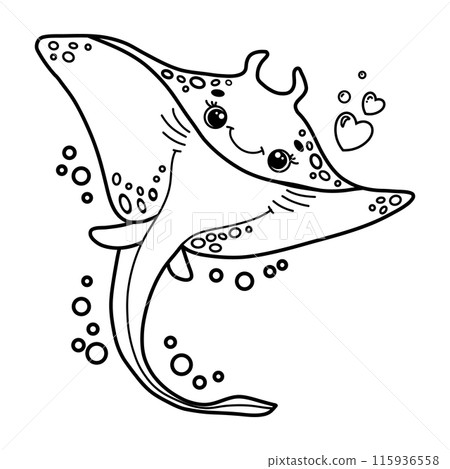
Formative checks can be simple and quick. Ask students to point to a feature while you ask a question, or have them share one fact they recorded in their notebook. The coloring page remains a flexible tool: it can be revisited for another lesson, used as a warm-up, or integrated as a short closing activity to reinforce what was learned.
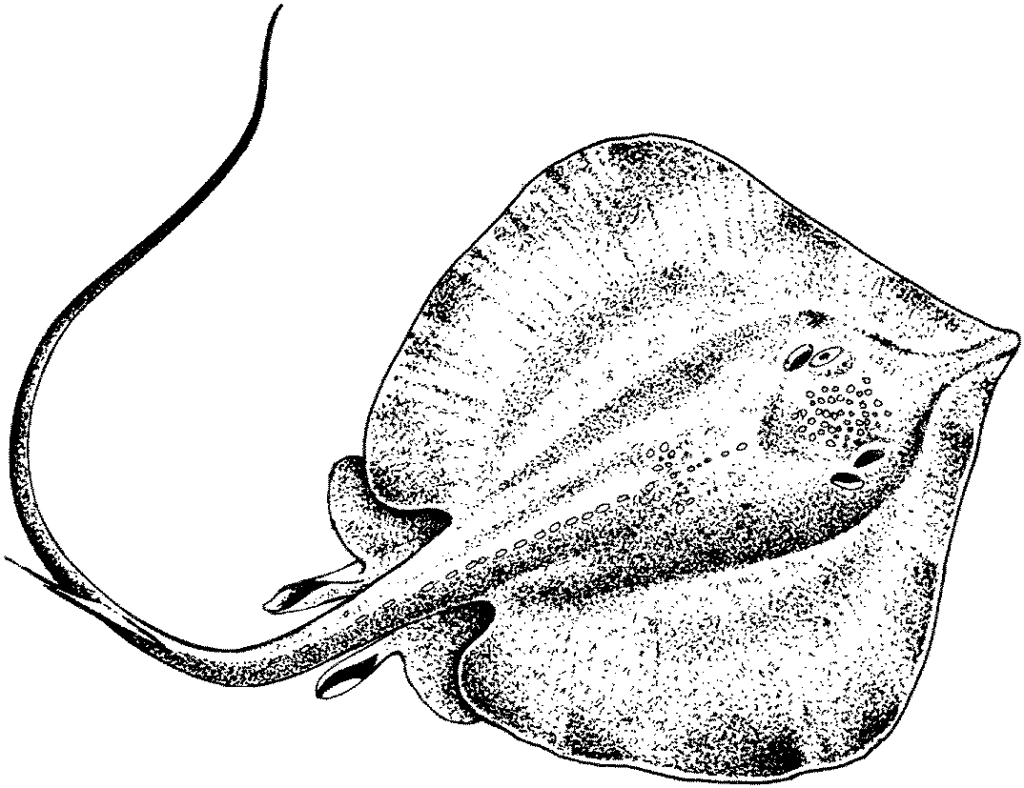
With careful planning, a stingray coloring page becomes an effective extension rather than a replacement for hands-on science. Start with a short introduction, color, discuss, and then reflect in writing. By treating the page as a stepping stone, you maintain focus on core concepts while giving students a concrete, memorable way to engage with wildlife and science.